


John Stuart Mill once said “People don’t want to be rich, they want to be richer than other people ”. Being rich may be a trap because there is always someone or something which looks richer than you whether in terms of money or in other areas say power, popularity or simply admiration. Striving for the riches without sufficient awareness creates more problems than solutions. This is because instead of having independence, you may become more paranoid and doubtful. But there can be a place called “Abundance” which is a state of financial bliss. Unlike getting to riches, abundance is a state connected to your present. This is the state of your aware presence where you realise that you already have enough to lead a content life. This inner bliss leads to having an outer abundance very soon without your having to strife for that. Manoj pandey CFP
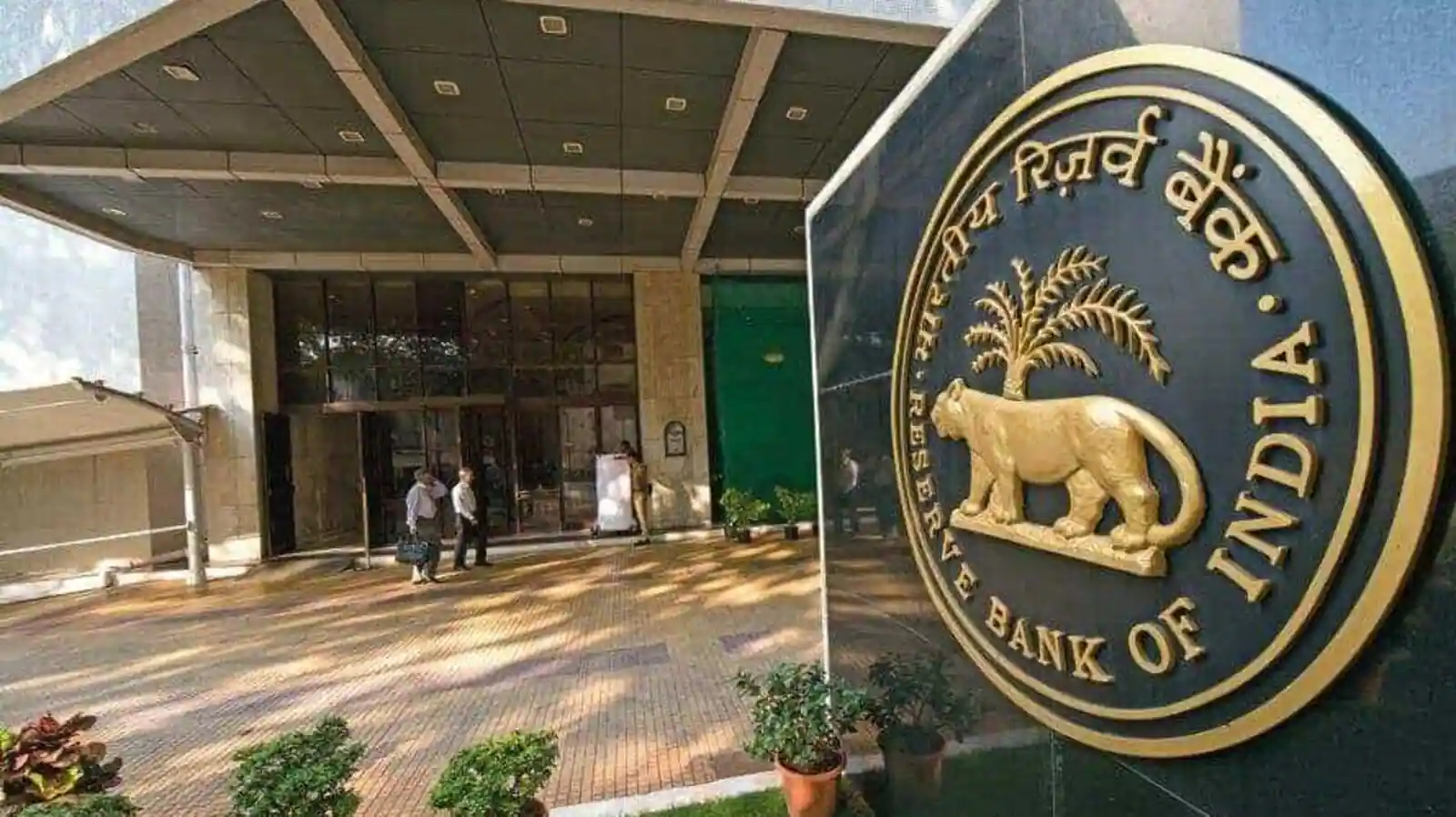
Increase in the rate of Interest by RBI and its impact for the investors
RBI has increased the repo rate by 25 basis points to 6.50%. The 10 years G Sec stands at 7.34%. We believe that this is quite close to the peak and investors are better off locking their investments in medium to long term debt funds. RBI looks mindful of controlling the inflation aggressively besides providing cushion to rupee against the dollar. In the last year, the dollar has appreciated by around 11% so there is a need to protect any further slide for the rupee. Inflation is projected at 5.3% for FY 2023-24 which is still higher than the target figure of 4%. Thus, RBI is likely to maintain its vigil and caution. Still, we believe that further increase in the interest rate cycle is limited. Historically when 10 Years G Sec is around 7.5% level, investors made good returns in the next 2-3 years. So, the investors can consider this to be a good opportunity to invest in short to medium term and even in longer term debt funds and reap good benefits. We are also of the view that any investment planning should be done on the basis of proper asset allocation. One should diversify his/her portfolio in equity, international equity, debt and some in gold. External market situation keeps changing depending upon various macro and micro economic situations which may warrant some tactical shift in the portfolio. But the core strategic portfolio does not require frequent changes based on ever changing market conditions. We always believe that investment portfolios should be internally driven rather than influenced by external factors. Manoj pandey CFP

let’s Stand with The People of Turkey and Syria
Mighty earthquakes measuring 7.8 and 7.5 shook Turkey and Syria.Let us show the solidarity with the affected people and pray for the normalcy at the earliest. The World had seen many such incidents which are called “The act of God’. You can’t forecast such events, but can definitely plan something to prevent the damages especially the loss of lives as much as possible- 1) Buildings must be built in such a way that they can withstand Earthquake of at least 8.5 magnitude. 2) All the older buildings must have compulsorily structural auditing every year. 3) Residents should be trained to safeguards themselves in such events. 4) Rescue teams must be trained to act immediately to minimise the loss of lives and damages. 5) International community must show solidarity to help the affected country. International brotherhood must be inculcated to help each other without any prejudice. It is always worth remembering “Hope for the best but prepare for the worst”. Manoj Pandey CFP

Myths Vs Realities of Investments

Myths Vs Realities of success
Myths Vs Realities of Success Myths Realities Success means a lot of money and fame. Being true to yourself and having a nice sleep is probably more important. Its important to get rid of your weaknesses. Effective people focus on 1-2 strengths which puts them above the rest in those areas. Dreams and big goals are paramount. Setting your fears and being prepared for any eventuality prepares you better. Frugality is a sign of being miser. Learning the art of minimalist lifestyle is a great confidence booster. It also means being a responsible citizen for mother earth’s limited resources. We are too busy to have fun travelling. There are many creative ways to move around places with some creativity and effective delegation. Problems are big headaches. Problems are wonderful. Actively seeking and solving not only yours but even others’ problems make you super satisfied. I think therefore I am. Thinking is a great tool but thinking all the time is a disease. Creating a thoughtless state is a great virtue. You need to impress lot of people with your thoughts, writings and speeches. Doing something to impress others is a sure shot recipe of mediocrity. You honestly need to impress just one person yourself. Disclaimer- These are what I consider, few myths and realities knowing fully well that there is no one who can claim the possession of absolute truth. Manoj Pandey CFP

ENLIGHTENMENT IN INVESTMENT
A monk was passing by from a village and started a conversation with a merchant- Merchant- What do you have that you can offer to others? You are just a beggar. Monk- Everyone has something to offer. A soldier gives strength. A teacher gives knowledge. King gives security and justice. I do have something to give. Merchant- And what is that? Monk- I can think I Can wait I can fast Merchant was not impressed. He said I can still grant the first two qualities but what on earth a fast could provide value? Monk- Oh fast is very valuable. When I have no food, I don’t get desperate. I in fact laugh it off. I don’t need to compromise on my values, I don’t need to do things which are against my soul and I don’t envy people who are eating well. Now, let’s convert these beautiful teachings in the world of Investments- I can think- Do proper financial planning before embarking on investments. Articulate your financial goals, understand your risk tolerance, be aware about your income-expenses and optimise your savings. After that, do the proper analysis of the risk-return equation of every investment avenue. After all that due diligence only, you should start your investments. I can wait- Investments, especially equities, are prone to market risk. Almost every investor who is investing for the long term has seen the market crashed up to 50-70%. In every likelihood this will continue. So the investors must be ready for such eventualities as these are bound to come. Remember the virtue of waiting. Every tough time passes however long it may seem. Patience is vital in every field of life but in investments, it is almost like a panacea. I can fast- You will encounter difficulties in life, your job and business may face uncertainties, you may encounter some unexpected circumstances. Sometimes, seemingly smooth life faces huge hurdles. Income falters, health issues come up, relationship sours. A person not prepared for such “Fasting” days will start complaining, immobilized and even collapse. If we talk in financial terms, sometimes you have to compromise on your lifestyles, cut lavish expenses and live on a bare minimum income. People who are ready to fast, enjoy such phases as much as the normal phase of life. They laugh at what others consider a punishing period. They happily cut down their expenses, relish the frugality and enjoy the learnings. They don’t need to compromise on their values and principles, continue doing things which are close to their heart and don’t get jealous seeing others minting money. Are they deprived of abundance? No, they are already abundant. With these three qualities, eventually you will acquire all that you want. Manoj Pandey CFP
What are the investment lessons after the Adani debacle?
As the Adani saga continues to unfold, we need to see the lessons for the common investors. Here are the few I have compiled- 1) It’s better to miss the bus than catch the accident-prone bus- Adani stocks have generated a huge return in the last 2-3 years. It was in the range of 500-2000% over this period. Many investors thought they were missing the rally and bought the stocks. But was missing the bus that bad? The rest of the market has been generating a reasonable return so what was the need to take that extra risk? Choosing the investments based on recent past performance is one of the worst ways of investing. That greed may cost one very dearly. 2) If something looks too good to be true it often is- Infrastructure sector companies grow quite slowly. Adani companies are in this sector. How come Adani stocks have delivered such staggering returns when other infra companies are progressing at much slower rate? Unreasonably high returns must cause an alarm bell and one should be cautious with such mouth-watering returns. 3) Take PE ratio more seriously- In the recent past, many investment experts have stopped giving attention to PE ratios and rather focused on things like growth story, new age technology and other such vague things. Look at the peak PE ratio of couple of Adani stocks- Adani Enterprises- 343 Adani Green- 771 Other stocks were also substantially higher than the other similar companies in that sector. PE is a very effective indicator of relative valuation of that stock. Generally, infrastructure companies have the PE ratio in the range of 12-18. So, Adani stocks on the prima facie itself looked highly overvalued. 4) Understand the company else invests through mutual funds- Investing in stocks is highly risky simply because people invest for the wrong reason. Often investing just because that stock is going up is the worst form of investment. You have to not only understand the company and its risk factors but also establish whether you are paying the right price for those stocks. If you don’t have the time and requisite skill set to do so, better to stick with mutual funds. 5) Diversify your portfolio- Every now and then the wisdom of not putting all your eggs in one basket is coming to the fore. If you have little exposure in Adani stocks, their rout is not likely to wipe out your portfolio just maybe put a small recoverable dent. That’s where investment in good mutual funds plays a vital role. They may shake a little but are not likely to collapse. Whereas a few wrong choices in stocks will put your financial goals in jeopardy. 6) Peace of Mind- This is more important than money. You have to earn a good return in order to achieve your financial goals but not at the cost of your peace and sleep. A simple market-oriented return is much better than chasing too hot to handle return. You probably are better off avoiding avenues like bitcoin and hot stocks and sticking with risk controlled mutual funds. We still don’t know who is telling the truth, the Adani group or Hindenburg report. That is the job of the investigating and regulatory agencies of India to put a transparent picture before the Indian public. And they must do it fast to restore the confidence of the investors and public. But whatever happened so far is a great lesson for the common investors. Unfortunately for many, the stock market keeps providing virtually the same lessons, still they console themselves that this time it’s different and keep chasing the hot return. Will this episode be any different? Hopefully for a few if not for all. Manoj Pandey CFP

Habits of Wealth
Beliefs & Budgeting Become aware of your beliefs about money There are many beliefs that may influence your thoughts about money: I need to fight for my share of a limited pie. I need to work hard to have enough money. Due to the economy, I am in survival mode, living day-to-day. I will never have any wealth. Some of the beliefs above come from scarcity consciousness, the idea that we have to fight for our share of limited resources. It is a consciousness that encourages the thought, “If I have just have a little bit more, then I will be ok.” But, it does not matter if your monthly income is Rs 25,000 or Rs 150, 000, because if we are coming from a place of sacrifice, then no matter how much we have, we will always need a little bit more. Think about the last time you received a decent raise. Were you grateful for the increase? If so, how long did it last before you wanted the next raise? Probably a few months or a year at most. What causes these thoughts about scarcity? They are just thought patterns that we have learned over the years – “For some people to be rich, some people need to be poor.” Yet, when we believe in scarce resources (“I just need a little bit more”), we grab and hold onto our possessions tighter. This in turn intensifies the feeling of scarcity and makes scarcity seem even more real. Beliefs are the basis of what we allow to enter into our lives. If we believe in scarcity, we will bring scarcity into our lives. We will always want just a little bit more and wonder why we cannot get ahead. If we are nervous and frantic about money, we will bring financial worry into our lives. One will start watching his investments, worrying about the next stock market or any other crash. Instead, if we have a prosperity consciousness, then we will see the gifts of the world all around us. This does not mean that we will get new gifts, but that we will start seeing and appreciating the gifts that are already around us. So what do we do about our beliefs? We look at your situation from a different perspective. Rather than scarcity, focus on abundance and how much you have. Positive energy begets positive results. For many of us, basic needs of food, shelter, and clothing are met. This is not always the case in our society with many parts having abject poverty. Look at what you have to be grateful for and realize how far you are from true scarcity. So what does this have to do with a budget? If you start with a feeling of prosperity rather than poverty, it is easier to take concrete actions on your budget. If you believe in scarcity, it will be harder to downsize your budget because you will feel the need to keep “the few things” that you do have. If you believe that you have all that you need, it is easier to pare down your budget because the difference between needs and wants is clearer and you can cut out some of the wants without feeling like you are sacrificing. For now, when you do your budget, just concentrate on your beliefs and how you feel. It is more important for now just to understand your beliefs about your budget. The first step to changing your beliefs is to recognize them. Because once you recognize your beliefs, you can take action to change them. For example, if you do not believe that you can stick to a budget, you will find ways subconsciously to sabotage your budget. If you recognize your beliefs about not sticking to a budget, you can start asking the right questions to fix it. Did you just ignore it? Or, did you not factor in surprises like things breaking down, and did those setbacks discourage you? Once you find the reason, you can fix it. If you believe that you need a little bit more to be happy, practice gratitude for what you do have now. Exercise: Take 30 minutes and brainstorm all the beliefs that you have about money. Do not judge these beliefs at this time, just write them down. After the 30 minutes, think about where you learned these: from parents, from friends, from past experiences, etc.
